ASNR highlights radiation protection at the 70th IAEA General Conference
During the course of the 70th IAEA General Conference in Vienna, taking place from 14 to 18 September 2026, ASNR is placing radiation protection at the heart of several meetings with its main international partners.
Strengthening cooperation with UNSCEAR
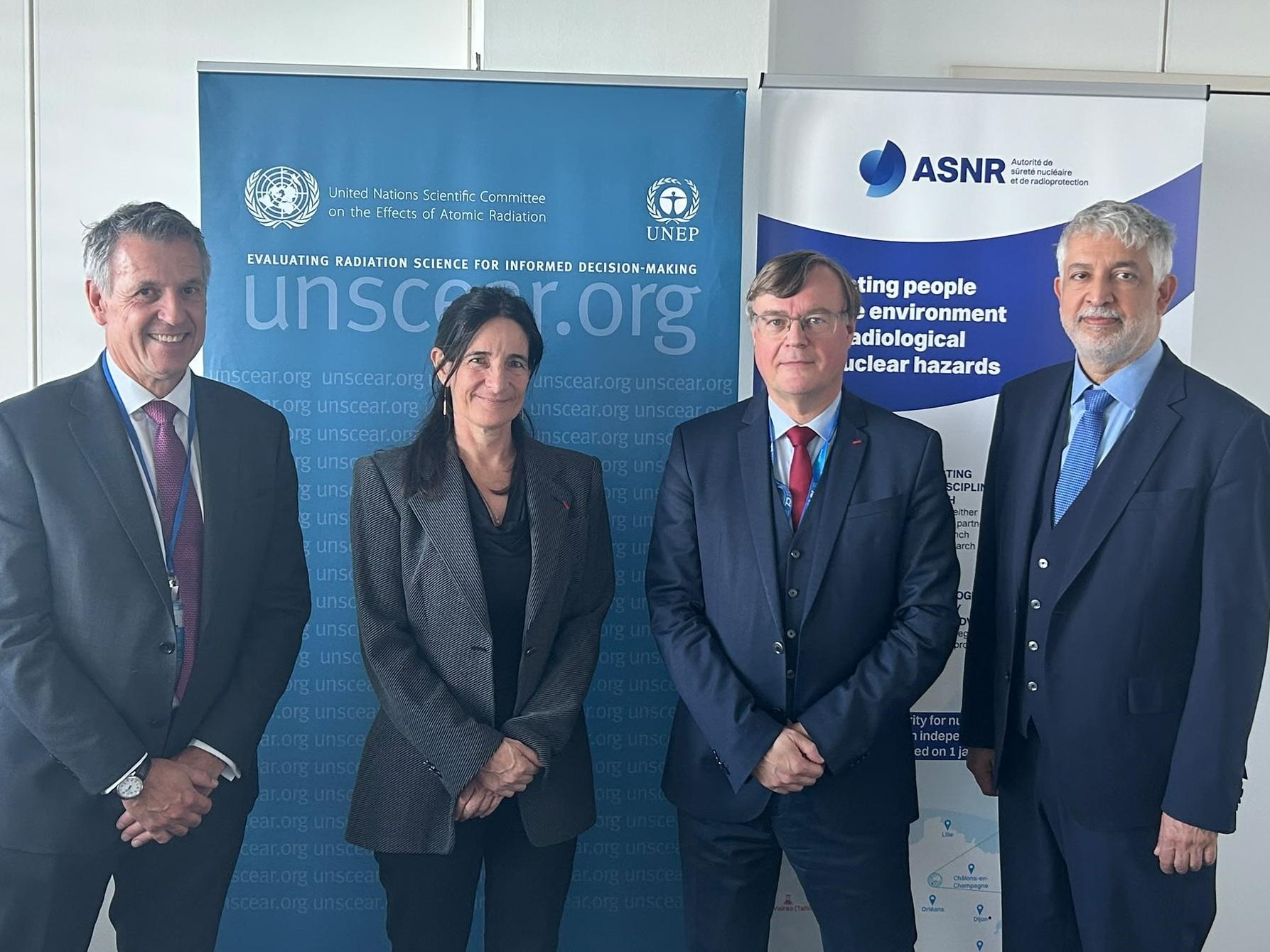
ASNR President Pierre-Marie Abadie and Commissioner Géraldine Pina met with Tiberio Cabianca, Secretary of UNSCEAR, and Ferid Shannoun deputy secretary of UNSCEAR on the sidelines of the 70th General Conference to discuss the importance of strong cooperation between the two organisations. ASNR reaffirmed its support for UNSCEAR as an independent international scientific body responsible for assessing exposure to ionising radiation and its effects on human health and the environment. President Pierre-Marie Abadie explained that the recent merger between IRSN and ASN consolidated the expertise of ASNR in radiation protection.
ASNR has been a longstanding contributor to UNSCEAR’s work by providing scientific data and expertise, and for the first time in 2026 through a voluntary financial contribution. Discussions covered UNSCEAR’s current and future scientific programme, including exposure data collection, medical exposure, epidemiological studies and research into the effects of radiation on human, species and the environment.
The importance of maintaining UNSCEAR’s scientific independence and ensure stable and predictable resources for its Secretariat was outlined.
Continuing the partnership with WHO
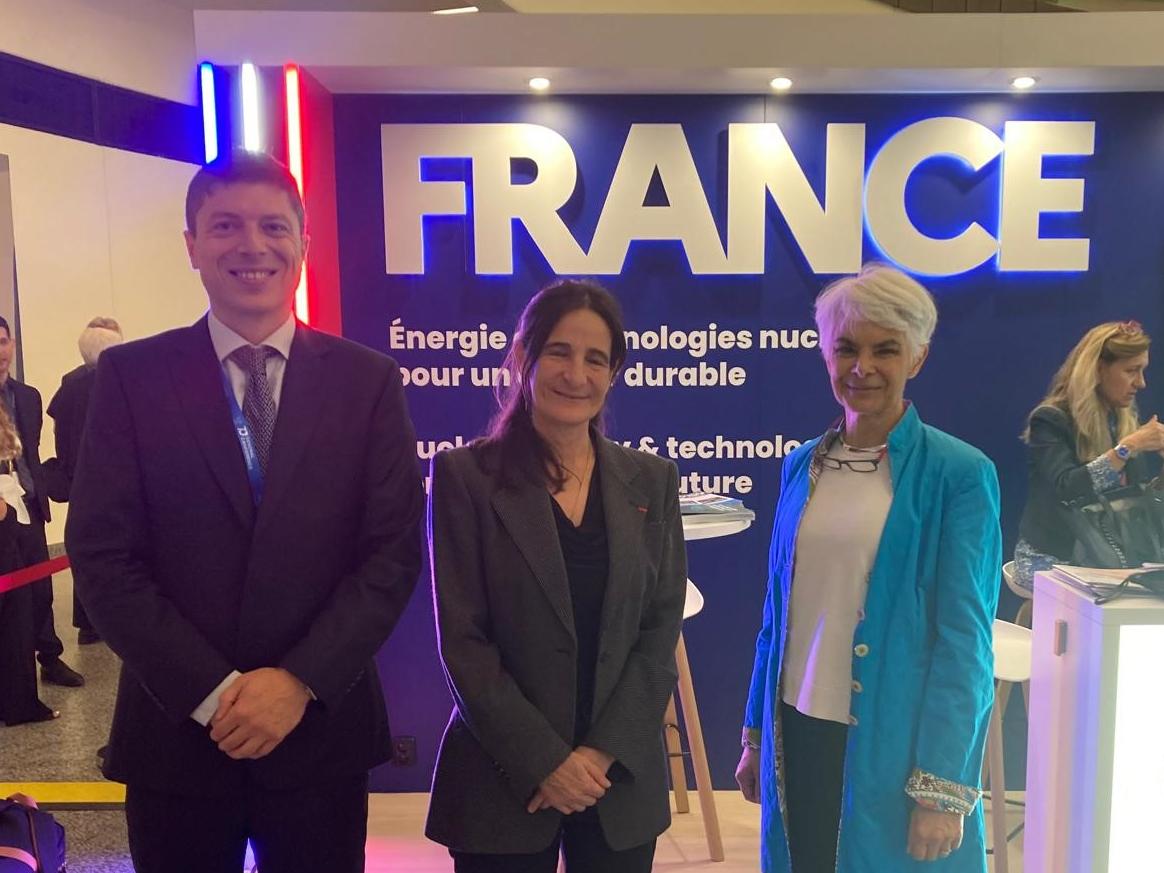
Commissioner Geraldine Pina also met with Emilie Van Deventer of the World Health Organization (WHO). ASNR has been a trusted contributor to WHO’s work throughout the years and a WHO Collaborating Centre since 2010 in the fields on radiation emergency preparedness and response, medical radiation protection, and existing exposures to ionising radiation.
The meeting provided an opportunity to discuss how ASNR can continue to support WHO, including through its participation in WHO Joint External Evaluation (JEE) missions, which assess countries’ capacities to prevent, detect and respond to public health risks. ASNR recently contributed to JEE missions in Albania and Germany, leading the technical area on Radiation Emergencies. WHO expressed interest in drawing on ASNR’s expertise in this field, as well as in having French-speaking experts available to participate in missions in French-speaking countries. Commissioner Geraldine Pina also emphasised the importance of maintaining and strengthening French expertise in this field.
This cooperation was further illustrated from 23 to 25 June 2026, when ASNR hosted the 18th coordination meeting of the WHO REMPAN (Radiation Emergency Medical Preparedness and Assistance Network) in Fontenay-aux-Roses, bringing together more than 70 experts from 30 countries, including clinicians, public health professionals, scientists, representatives of international organisations, national authorities and partner institutions. WHO also reported very positive feedback from the member countries that participated in the event.
ASNR also expressed its support for the resolution adopted by the 79th World Health Assembly in May 2026 on the health risks associated with ionising and non-ionising radiation, in particular the requirement to assess the risks associated with ionising radiation by 2028 across the UN system, in connection with Resolution 80. ASNR also expressed its willingness to support WHO in future initiatives to develop training courses on medical emergency preparedness and response to radionuclear emergencies, notably through the recently established WHO Academy in Lyon.
Renewing support for low-dose radiation research
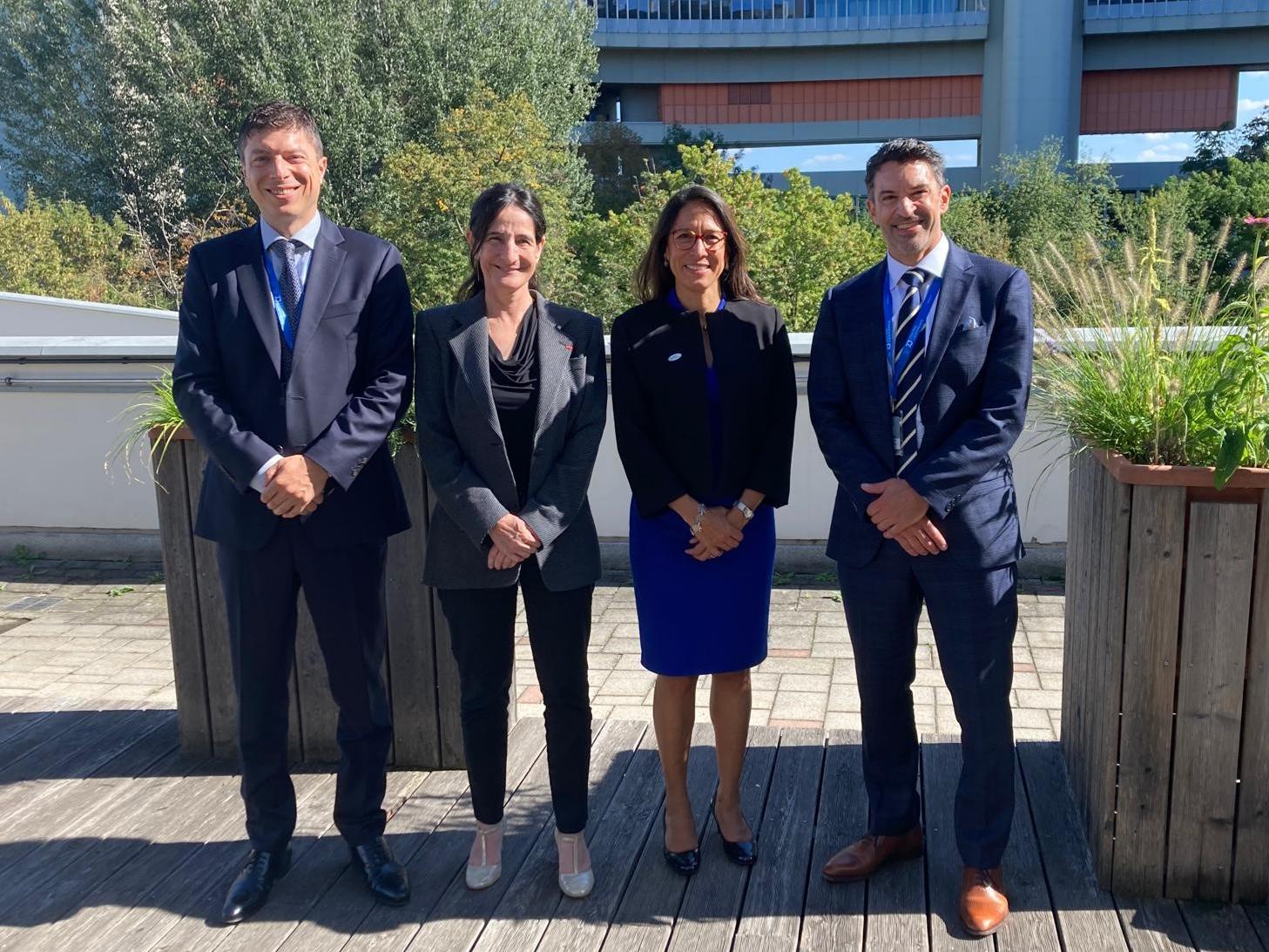
A further meeting focused on ASNR’s cooperation with the OECD/NEA (Nuclear Energy Agency), in particular through the High-Level Group on Low-Dose Research (HLG-LDR). Commissioner Geraldine Pina met with the OECD/NEA Gabriela Miranda and George Vardulakis respectively Head and Deputy Head of the Division for Radiological Protection and Human Aspects of Nuclear Safety.
ASNR is heavily involved in NEA’s activities on radiation protection with Dominique Laurier, from ASNR, currently chairing the HLG-LDR, while Geraldine Pina is a member of the Executive Committee of the NEA’s Committee on Radiological Protection and Public Health (CRPPH).
The HLG-LDR is an important international forum for coordinating research into the effects of low doses and low dose rates of ionising radiation. Its work is particularly relevant to ASNR, bringing together scientific expertise and regulatory perspectives. ASNR has been involved in the group for several years and has renewed its support by providing a voluntary financial contribution, which will support NEA’s activities for the maintenance and further development of the Global Register of Low-Dose Research Projects and low dose research coordination activities.
Commissioner Geraldine Pina explained that the recent merger between ASN and IRSN has further strengthened ASNR’s capacity to work with international organisations. By bringing together complementary expertise and resources, ASNR is well placed to contribute to international cooperation and to address radiation protection issues in a comprehensive and efficient way. ASNR is now facing a rapidly evolving landscape, with large scale and innovative nuclear projects underway, including SMRs, new radiopharmaceuticals and new reactor designs. This increasing pace and diversity of innovation create new challenges for the regulator and require us to adapt our regulatory approach with a step-by-step approach to safety demonstration. But the fundamental principles remain the same safety and radiation protection considerations need to be integrated from the very beginning of the design process.
A broader commitment to international radiation protection
These meetings form part of ASNR’s broader commitment to international cooperation in radiation protection. Alongside its financial support for UNSCEAR and the NEA, ASNR also provides a voluntary financial contribution to the International Commission on Radiological Protection (ICRP).
This financial support complements ASNR’s contribution through scientific expertise. ASNR experts participate in all of the ICRP’s technical committees, as well as in the Main Commission, contributing to international work across the different fields of radiation protection.
Through these partnerships, ASNR continues to contribute to international cooperation and to the sharing of scientific and technical expertise in radiation protection. The meetings held during the IAEA General Conference provided an opportunity to strengthen these relationships and to look ahead to the challenges facing the international radiation protection community.