ASNR, a WHO Collaborating Centre, hosts the 18th WHO-REMPAN Coordination Meeting
From 23 to 25 June 2026, ASNR hosted at its Fontenay-aux-Roses site the 18th Coordination meeting of the WHO-REMPAN network (Radiation Emergency Medical Preparedness and Assistance Network) – the World Health Organisation’s network dedicated to medical assistance in the event of a radiological and nuclear emergency.
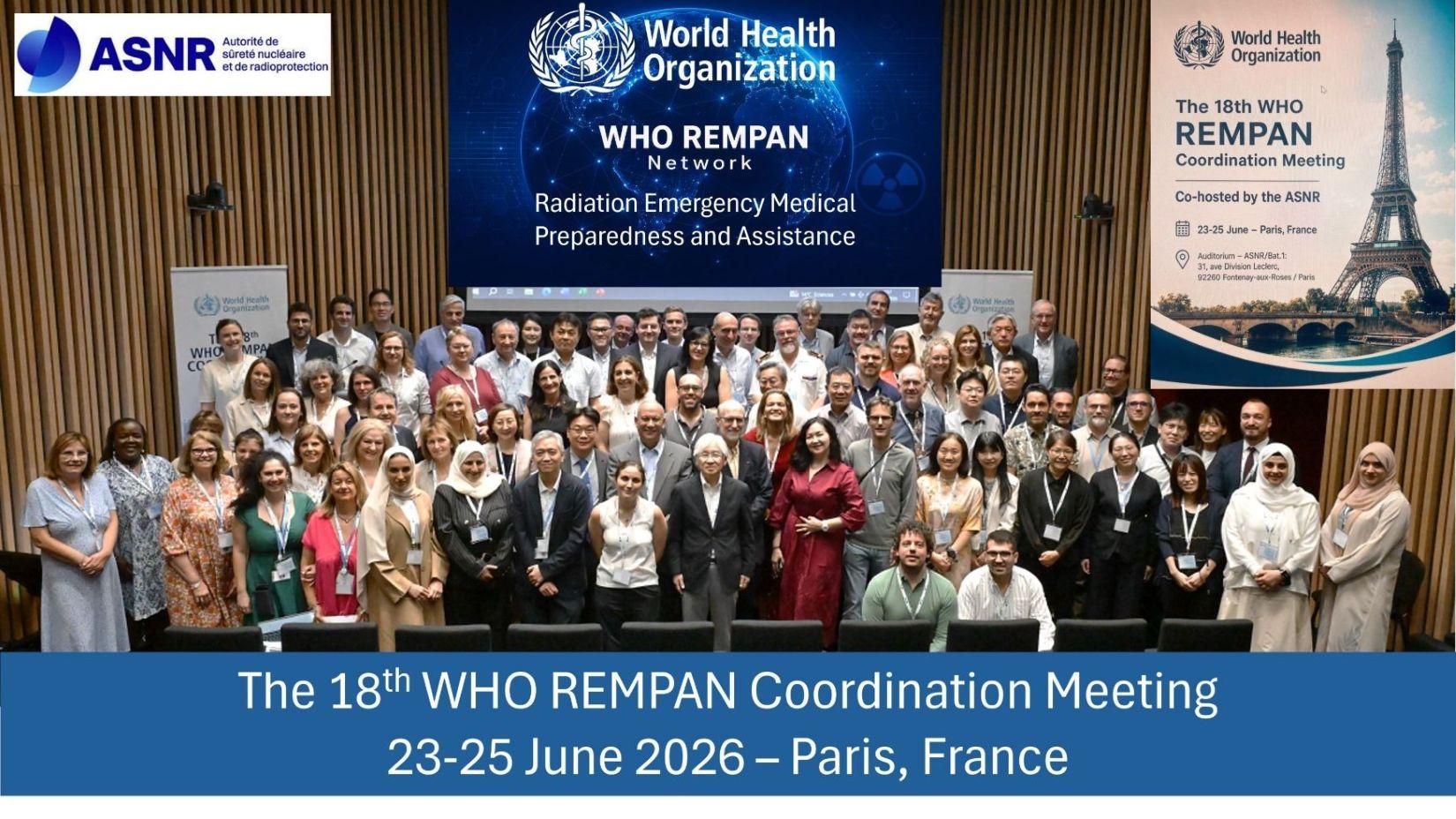
The event brought together more than 100 experts, including clinicians, researchers and public health professionals from over 30 countries, with 70 of them attending in person. Participants also included representatives from WHO, international organisations, WHO Collaborating Centres, national authorities and partner institutions involved in radiological emergency medicine and public health preparedness.
In a context marked by persistent geopolitical tensions and ongoing armed conflicts, the meeting highlighted the importance of sustaining robust preparedness and response capacities for radiological and nuclear emergencies, while reinforcing international cooperation and coordination.
The opening session of the meeting was dedicated to the France’s national radiological and nuclear emergency response system. It provided a comprehensive overview of the country’s preparedness and response framework, highlighting the coordination mechanisms between the Directorate General for Health (DGS), the National Reference Centre for Radiation Emergencies at Pitié-Salpêtrière Hospital, Percy Military Hospital (HIA Percy) represented by the national CBRN medical expert, and the departmental fire and rescue services (SDIS). This session illustrated the complementary operational roles of key stakeholders and the effective integration of civilian and military capabilities within the French response system.
Over the following three days, participants exchanged knowledge and experience on recent scientific, technical, and operational developments across the full spectrum of radiation emergency medicine and public health preparedness. The programme combined plenary lectures, technical sessions, panel discussions, and interactive exchanges addressing preparedness and capacity-building, international cooperation, medical management of radiation injuries and internal contamination, and biodosimetry.
A review of current scientific knowledge on the long-term health effects of exposure to ionizing radiation was one of the key topics of the meeting. Drawing on findings from landmark studies of Hiroshima, Nagasaki, Chernobyl, and other radiological events, participants discussed persistent health risks and explored how this knowledge can inform future preparedness, response, and recovery efforts. Emerging global threats, including the public health implications of nuclear conflict, were also examined.
A highlight of the meeting was a dedicated roundtable on the role of artificial intelligence in radiation emergency preparedness and response. Discussions explored the potential of AI to enhance decision support, improve data integration to support risk assessment, and strengthen coordination and operational readiness. This session reflected the growing importance of digital innovation in emergency preparedness and response.
The meeting successfully achieved its objectives by strengthening partnerships, promoting knowledge exchange, and identifying key priorities for future activities. It reaffirmed that sustained international collaboration remains essential to enhancing global preparedness and response to radiological and nuclear emergencies in an increasingly complex geopolitical environment.
More information
- Detailed agenda for the meeting (PDF)
- More information about REMPAN: https://www.who.int/groups/rempan
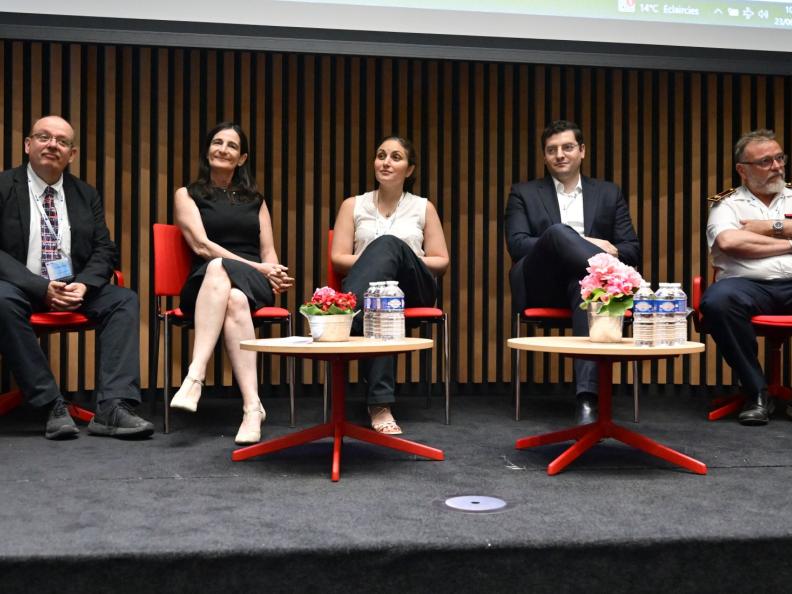
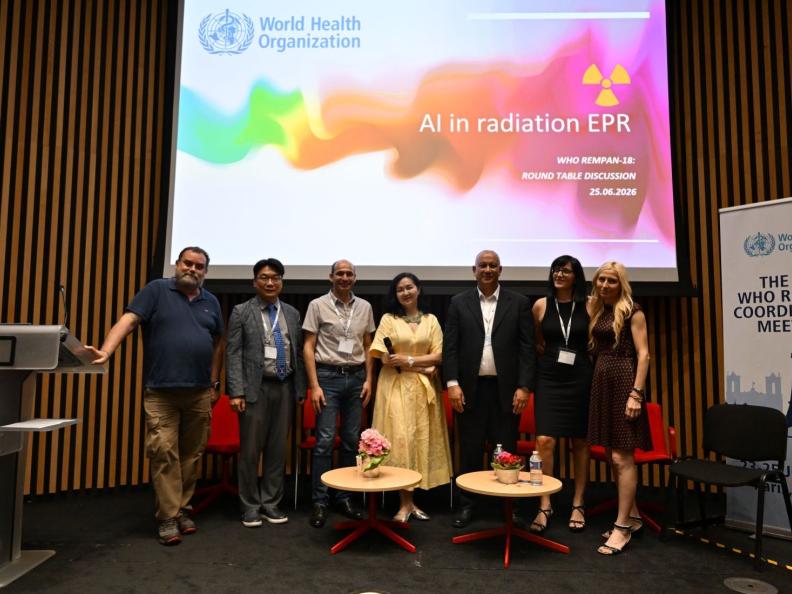
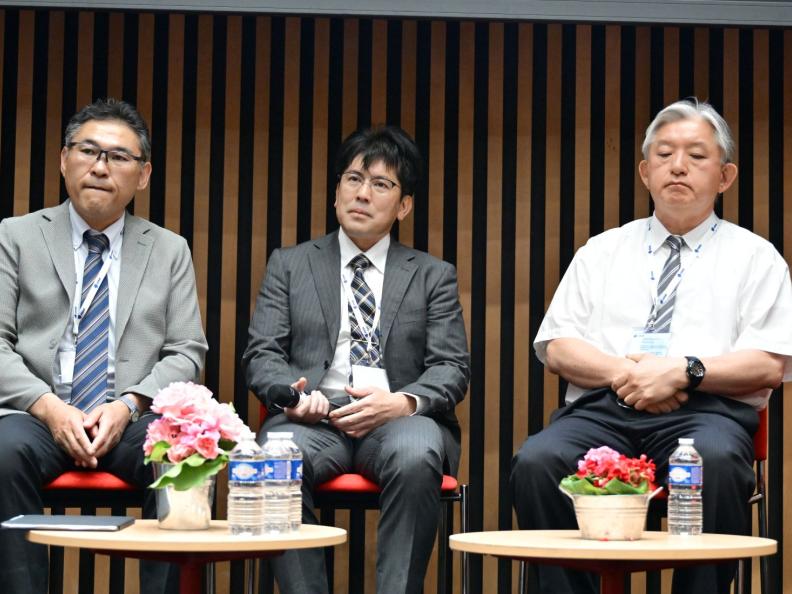
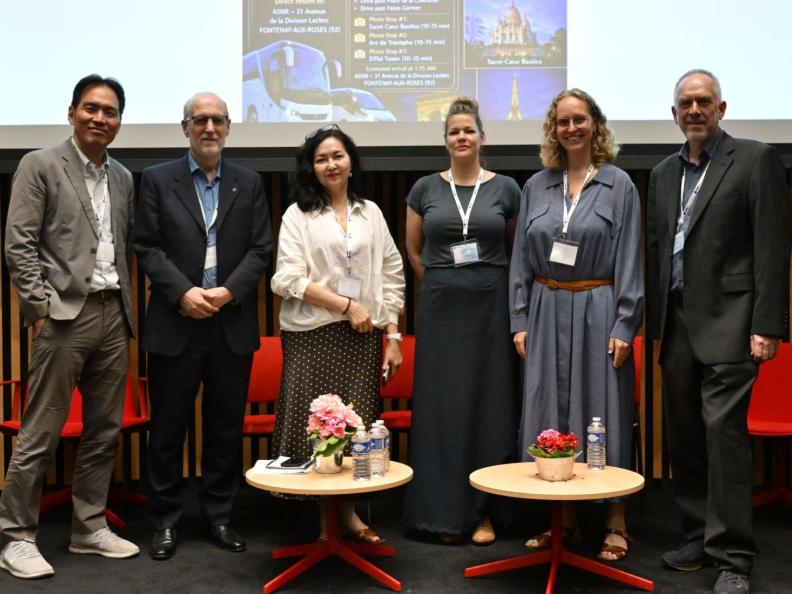
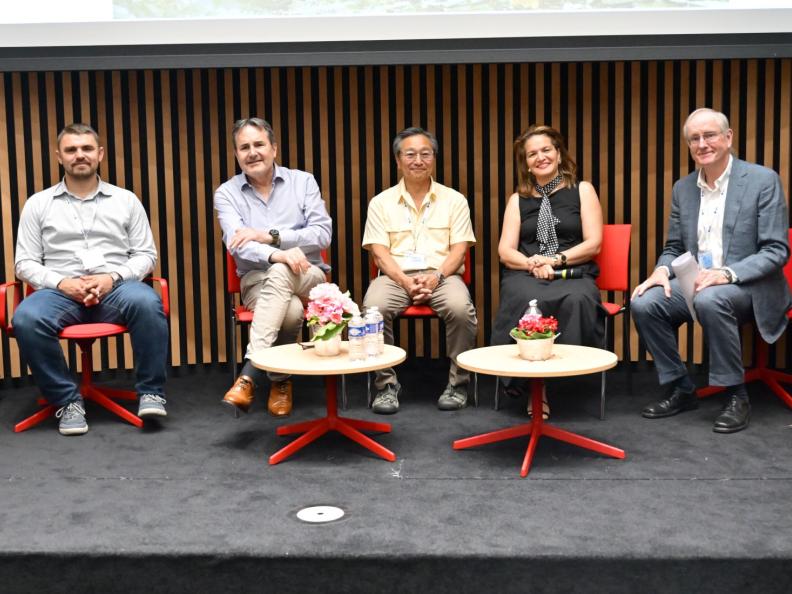
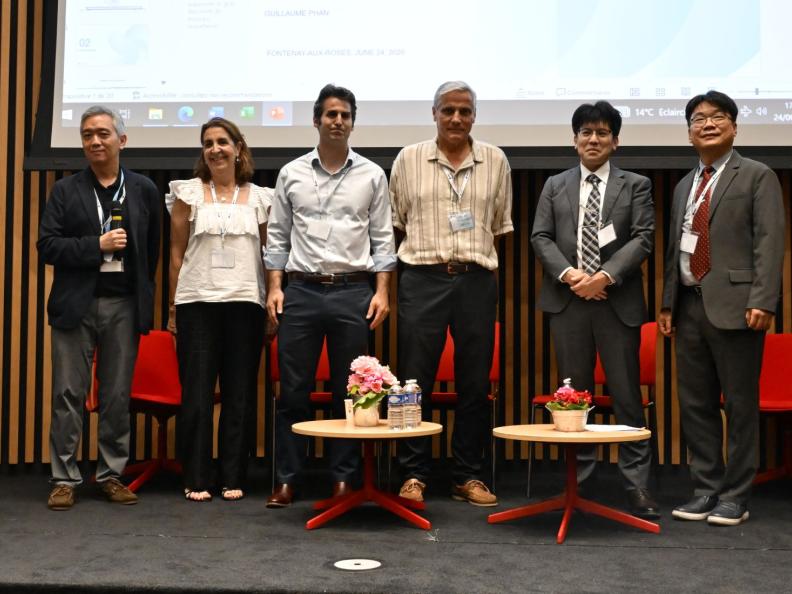
People on the pictures above:
1. Session 1: Strengthening medical and public health preparedness to radiological and nuclear emergencies in France.
From left to right: Denis Giordan (departmental fire and rescue services - SDIS), Géraldine Pina (ASNR), Michel Wakim (Directorate General for Health - DGS), Deborah Benchetrit (National Reference Centre for Radiation Emergencies at Pitié-Salpêtrière Hospital), Eric Bey (Percy Military Hospital - French Defence Central Health Service).
2. Round table: The role of AI in radiation emergencies preparedness and response.
From left to right: Olivier Isnard (ASNR, France), Minsu Cho (Korea Institute of Radiological and Medical Sciences - KIRAMS, South Korea), Mohamed Amine Benadjaoud (ASNR, France), Zhanat Kenbayeva (OMS), Nebil Achour (Anglia Ruskin University, United Kingdom), Alegria Montoro (Hospital Universitario Politecnico La Fe, Spain), Begoña Sánchez-Royo (University of Brighton, United Kingdom)
3. Session 5: Fifteen years after Fukushima Daiichi NPP accident
From left to right: Tomisato Miura (Hirosaki University, Japan), Osamu Kurihara (QST/NIRS, Japan), Nobuyuki Hirohashi (Hiroshima University, Japan)
4. Session 7: Effects of nuclear war on public health.
From left to right: Chang-Bae Kong (Korea Institute of Radiological and Medical Sciences - KIRAMS, South Korea), Charles Johnson (International Physicians for the Prevention of Nuclear War - IPPNW), Zhanat Kenbayeva (WHO), Katrine Finsnes (International Committee of the Red Cross - ICRC), Astrid Kloosterman (RIVM, The Netherlands), Matthias Port (Bundeswehr Institute of Radiobiology - IRB, Germany)
5. Session 8: Medical response and public health interventions.
From left to right: Cornelius Hermann (Bundeswehr Institute of Radiobiology - IRB, Germany), Cornelius Bartels (Federal Office for Radiation Protection - BfS, Germany), N. Chao (USA), Radia Tamarat (ASNR, France), Lief Stenke (Karolinska University, Sweden)
6. Session 9: Internal contamination assessment and management.
From left to right: Guillaume Phan (ASNR, France), Inmaculada Sierra (CIEMAT, Spain), John Klump (LNL, USA), Hubert Peiffer (EDF, France), Osamu Kurihara (QST/NIRS, Japan), Minsu Cho (Korea Institute of Radiological and Medical Sciences - KIRAMS, South Korea)